Blog
Four Years in Engineering at AKASA and the Work Keeps Getting More Interesting
How Armaghan Behlum, director of engineering at AKASA, has seen the company — and the engineering work itself — become more technically ambitious, more adaptive, and more connected to real-world impact.
The Gist
Armaghan “Armi” Behlum, a veteran leader in AKASA’s engineering organization, has been at the forefront of the company’s technical evolution. Since joining AKASA from Verily (an Alphabet company) four years ago, he has witnessed and helped drive fundamental shifts in the product, company, and engineering culture.
In this post, Behlum reflects on how AKASA exceeded his expectations, how the mission became "intensely real" through partnerships with health systems like the Cleveland Clinic, and why the current "0→1" moment is the perfect time for engineers who "love the chaos" to join the team.
It’s hard to believe it’s been four years since I made the decision to leave the sprawling campuses of big tech for a lean, fast-paced startup. When I first started at AKASA, I was excited about the speed of shipping and the talent.
Read my original post about why I joined AKASA.
Looking back now, it’s incredible to remember that I’m still at the same company.
Over the years, we have navigated a massive transformation, the technology has changed beneath our feet, and the impact we are having on healthcare is more tangible than ever.
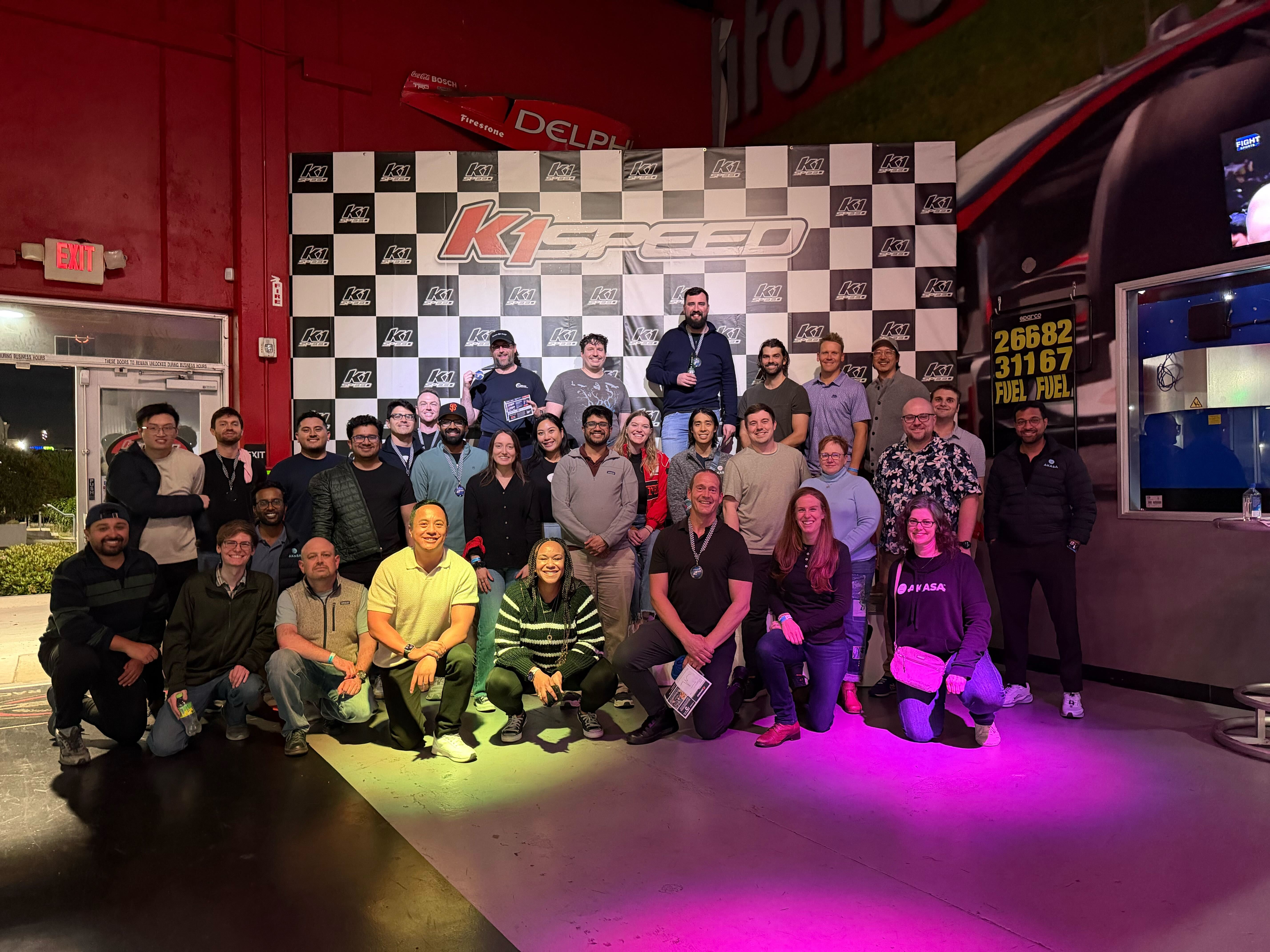
The San Francisco-area team gathers for a racing good time after a day in the office
From RPA to AI: The Great Pivot
Startups are fundamentally about being dynamic. The biggest change since I joined AKASA is that, sure, we iterated on our product. But we also iterated on who we are at a fundamental level.
We successfully pivoted from being an end-to-end RPA (robotic process automation) company to becoming a true AI healthcare company.
It was that initial culture of "fast shipping" I wrote about in my first post that actually enabled this complete meta-transformation. Seeing the company first cautiously and then very quickly mobilize in a completely new direction (and do so successfully) has been incredible.
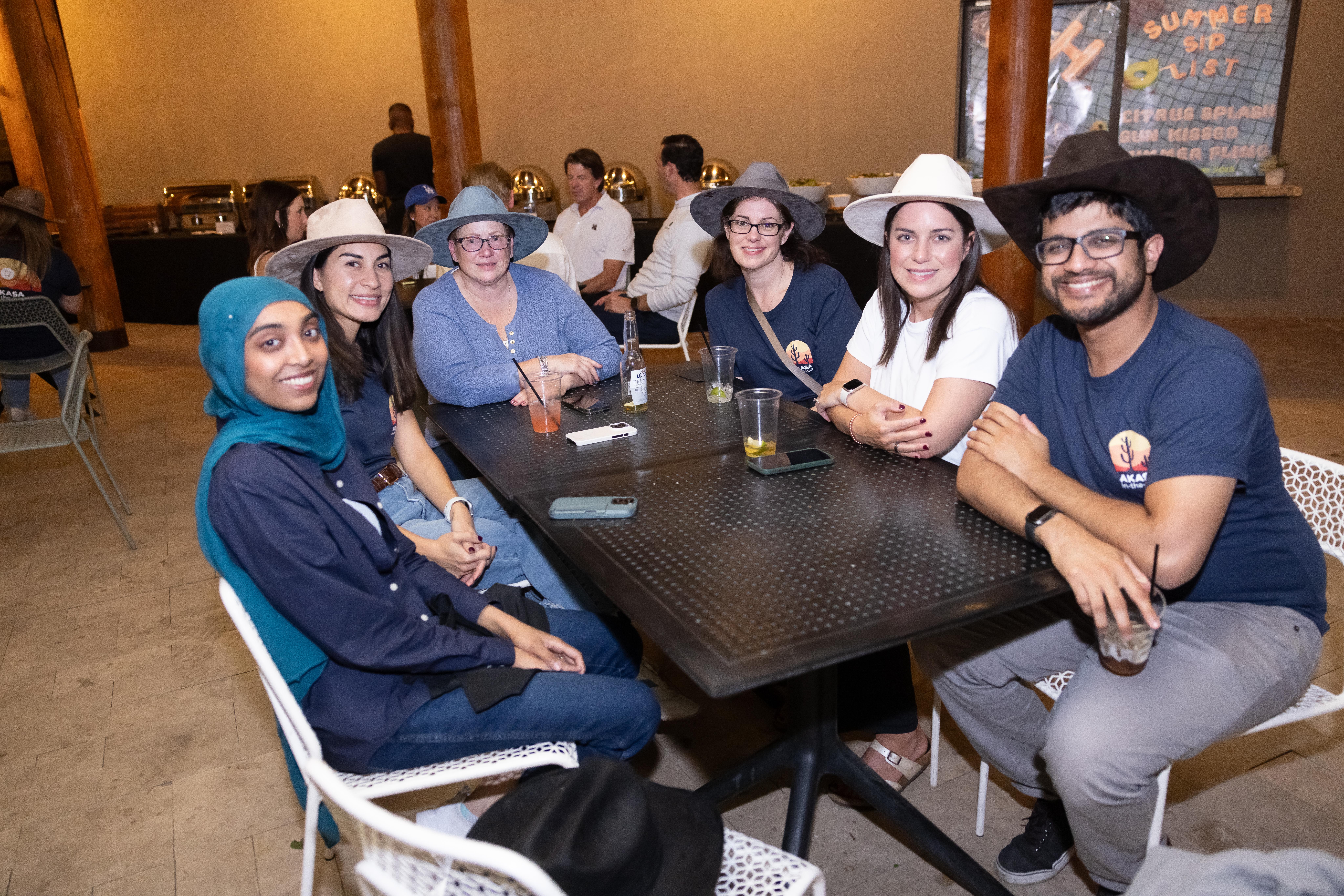
Enjoying some time at a company off-site outside Phoenix — with custom hats
When the Mission Became Intensely Real
When I first joined, the mission to tackle the extensive inefficiencies in the U.S. healthcare system was a "noble purpose" that resonated with me. But over the last four years, the "degrees of real" have intensified.
Read our CEO’s take on how paying for healthcare in the U.S. got so complicated.
The mission felt real early on, but it became much more tangible as our research translated into practical, ground-covering applications.
Partnering with massive institutions like Cleveland Clinic — and seeing us act on that vision — solidified it. We are actually providing substantial, tangible benefits to some of the largest healthcare systems in the country.
It takes many startups a very long time to reach that level of real-world impact, and we got here relatively quickly.
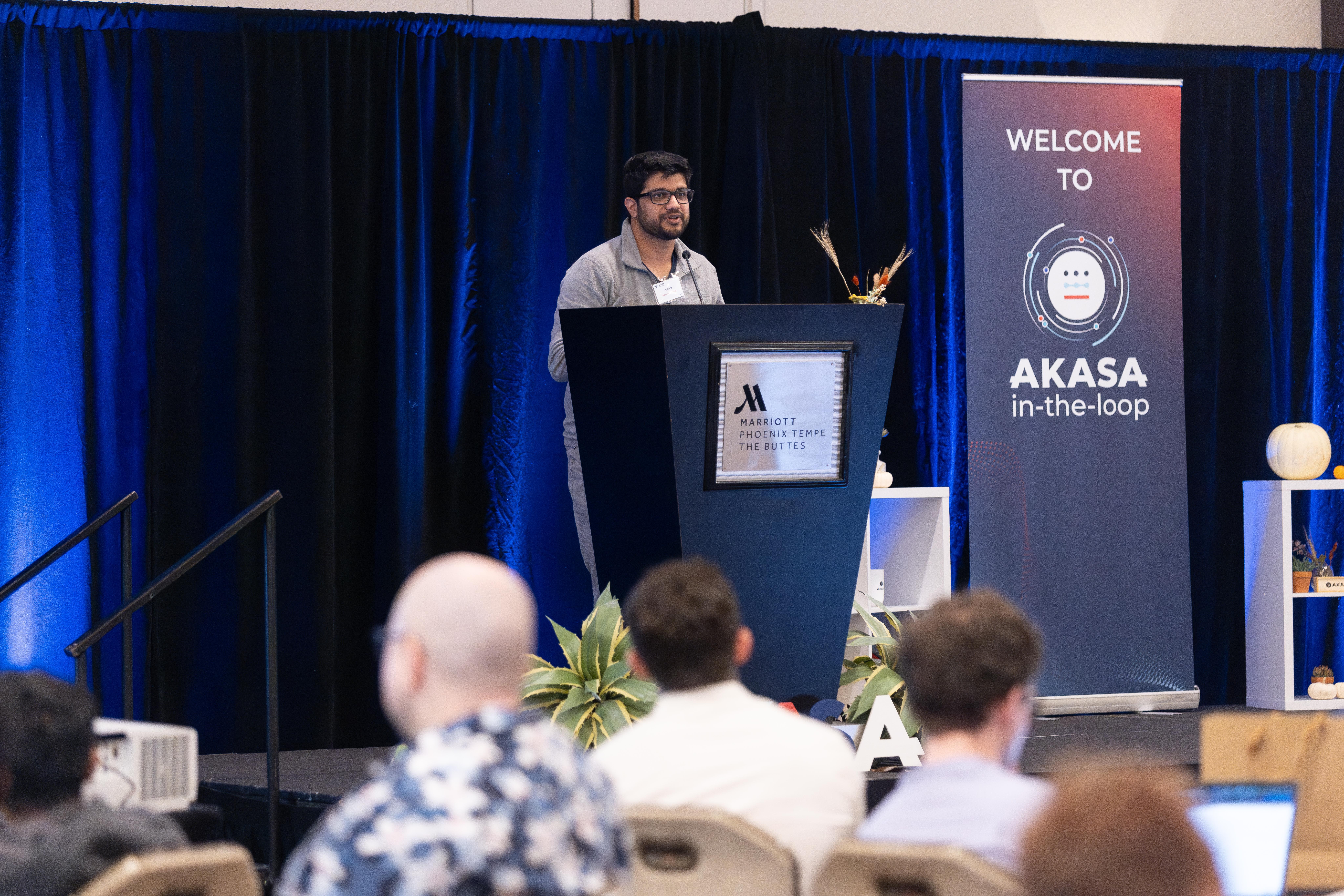
Sharing product and technology updates with the entire company
Evolving the Technical Bar: The AI-Native Shift
When I started here, I joined a company focused on robust, generalist software engineering.
As we scaled, the industry — and our company — changed beneath us.
I joined before ChatGPT launched, but now we are an inherently AI-native organization. The technical bar has evolved over time to focus heavily on how we harness LLMs (large language models), both in our product and in our development workflows.
We use tools like Claude Code for AI-assisted coding to accelerate our pace. We’re now deeply focused on agent-based systems and environment setup.
The engineering landscape is entirely different from what it was four years ago, and we are purposely leaning into that change.
Here are some of the projects our team has blogged about lately. (The REALLY interesting stuff we can’t share externally — yet.)
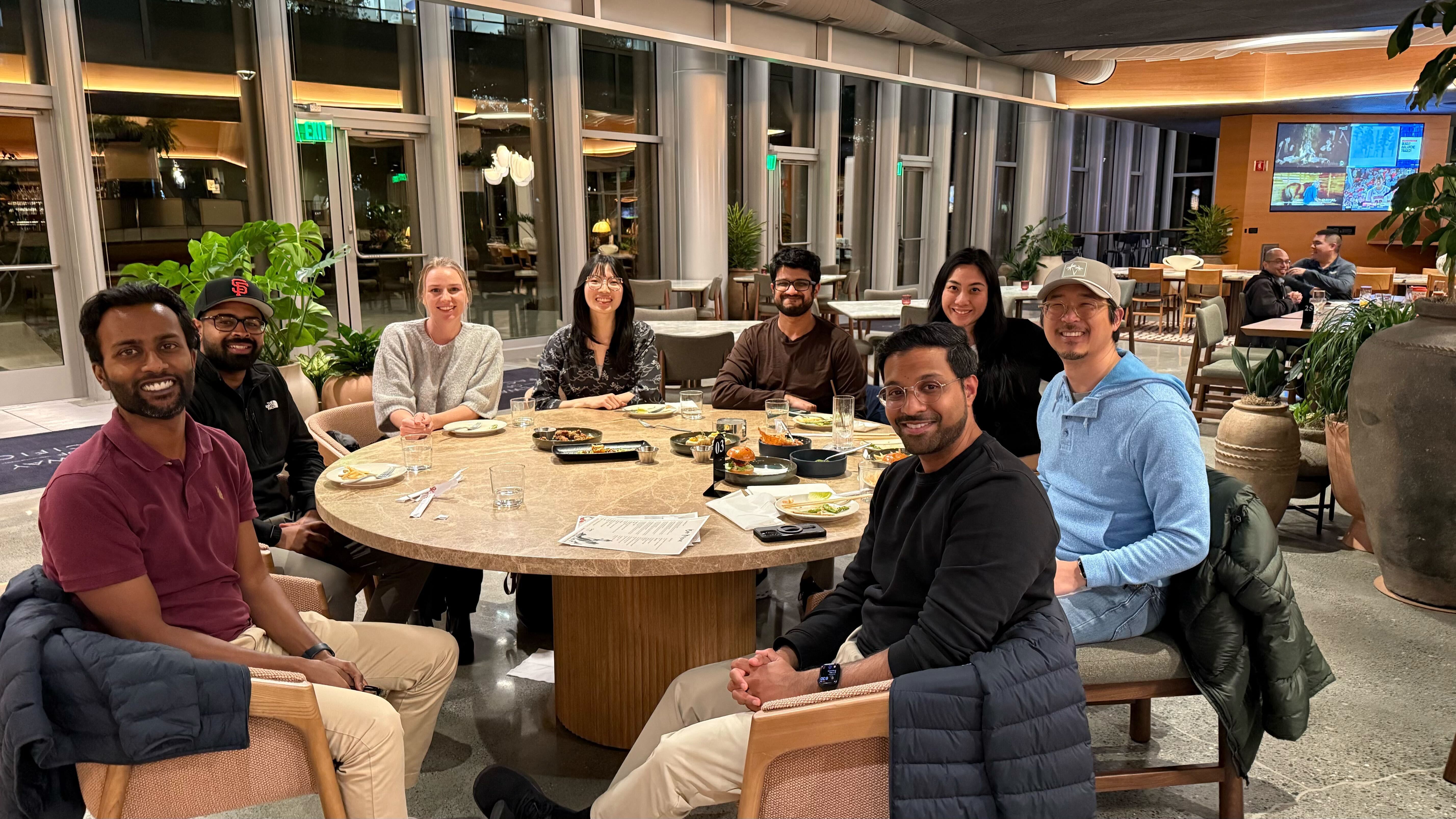
Dinner with coworkers
The Chaos-Tolerant Engineer: Who Thrives Here
We are still very much a startup, and that means right-sizing expectations. In my first year, I tackled two to three years’ worth of projects. That pace hasn’t slowed down.
If you’re an engineer who needs things to be perfectly smooth and highly structured, or you need to know exactly what is going to happen in six or twelve months, AKASA might not be the right place for you.
We roll with the punches. We plan for six months, but we stay ready to adjust accordingly.
I always bring this up when interviewing candidates from big tech. The benefits are different, but the trade-off is that your impact radius is much wider. If you hit a home run for yourself, you also do so for the entire company.
To thrive here, you have to love the chaos, at least a little bit.
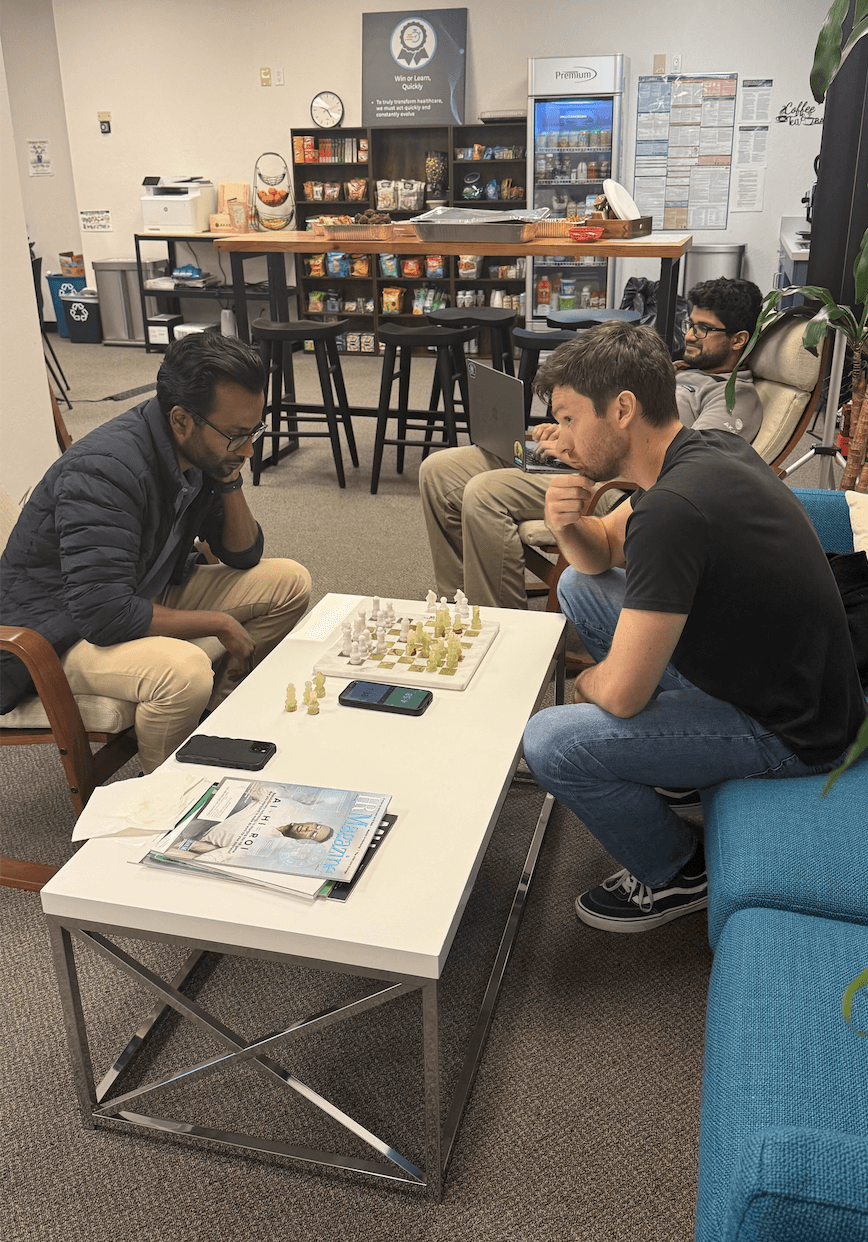
Working in the San Francisco office
Your Greenfield Runway Awaits
This is a pivotal moment for AKASA. We have already solved major challenges around scaling and stabilizing rollouts for large healthcare systems.
Now, we are facing even more complex, exciting problems, such as moving toward autonomous coding and designing double-blind studies to demonstrate our efficacy to clients.
This is a high-leverage "0→1" time where engineering has a greenfield runway to define AI-augmented development norms. If you have an insatiable curiosity and the drive to solve the most sensitive, complex problems in healthcare, we need your talent.
AKASA has been the learning opportunity of a lifetime.
I don’t miss a thing about big tech. I’m too focused on what we are building here.
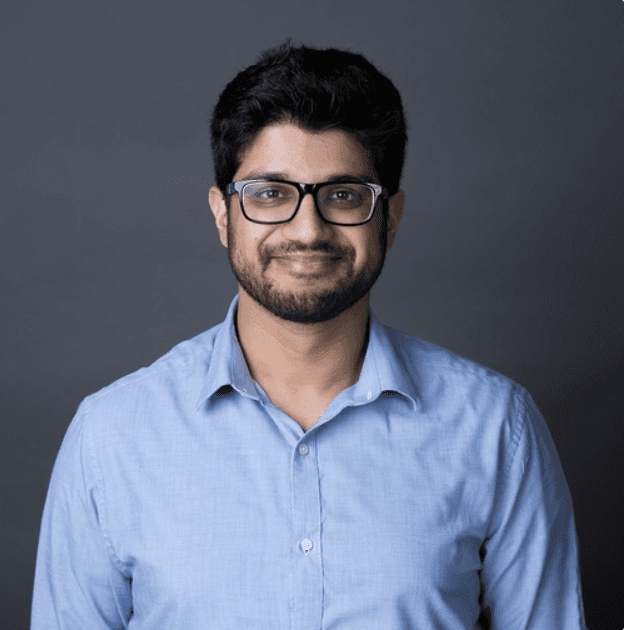
Armaghan Behlum
Armaghan Behlum is a director of engineering at AKASA. An experienced engineer of multiple styles (backend, full-stack, Android/mobile, etc.), he has worked for companies such as Verily Life Sciences, Google, and Audible. Behlum has a degree in computer science from Harvard University.