Blog
What ACDIS 2026 Taught Me: CDI Can’t Keep Playing Whack-a-Mole
At this year’s conference, I heard the same concern again and again about the growing pressure on CDI leaders.
The Gist
At ACDIS 2026, one message came through loud and clear: CDI leaders are under more pressure than ever, and the old playbook is not enough. In this firsthand recap, Linda Schatz, RN, BSN, CCDS, director of CDI at AKASA, shares what she heard in Chicago about payer-provider friction, the limits of sampling, the need for better alignment across coding, CDI, and quality, and why AI must strengthen human judgment, not replace it.
I’ve been doing this work long enough to know when a conference is full of polite interest and when it is full of real urgency.
This year at ACDIS, it was urgency.
The conversations I had in Chicago all came back to the same thing: CDI has gotten harder, broader, and more important. Teams are still being asked to solve that with the same old playbook.
As I said during my ACDIS session, The Day GenAI Caught What a CDI Expert Missed, when I started in CDI, we looked for revenue. Today, we are looking at quality, SOI, ROM, HACs, PSIs, mortality, readmissions, and more.
The work hasn’t gotten easier.
And yet many organizations are still responding the same way: add another tool, add another review, add more people, add more process.
That’s not a strategy. That’s survival mode. It’s a continuous game of whack-a-mole.
People, process, and technology
If there was one theme I kept coming back to all week, it was this: people, process, and technology.
Not technology by itself. Not staffing by itself. Not one more workaround bolted onto an already strained workflow.
You need the right people. You need them trained well. You need a process that makes sense. And you need technology that actually helps people think, not just click boxes.
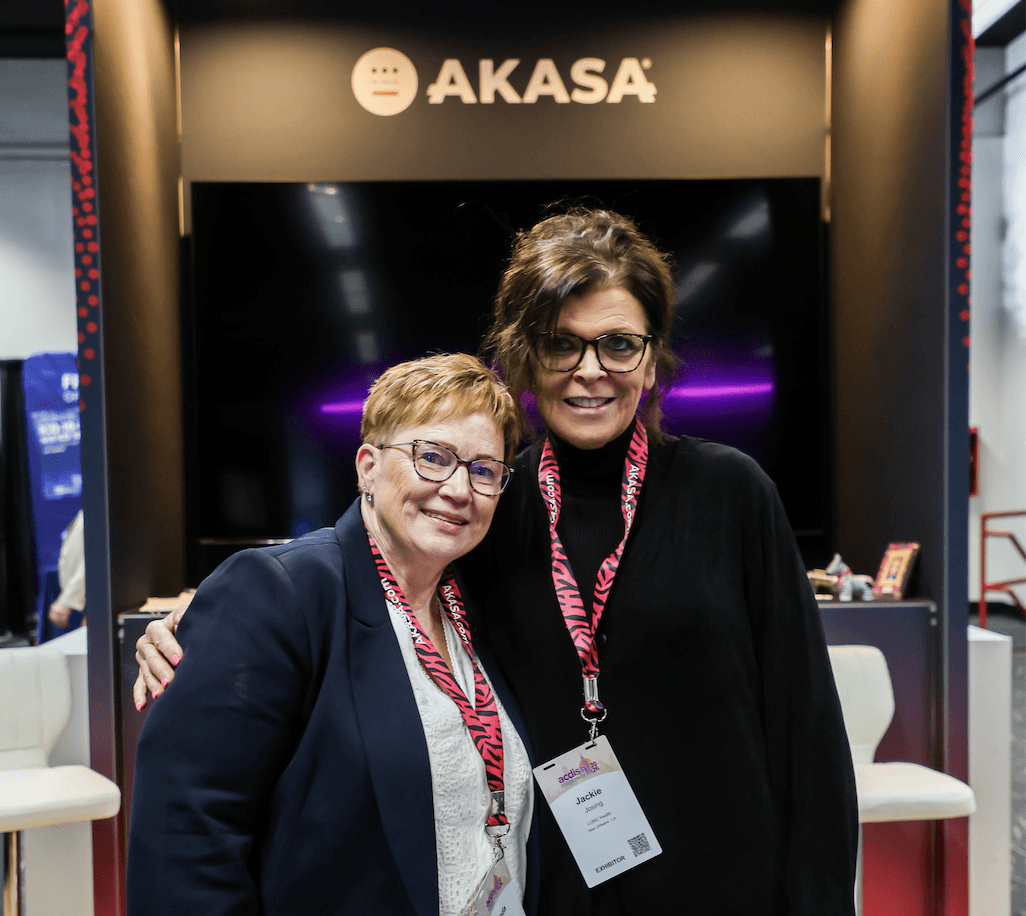
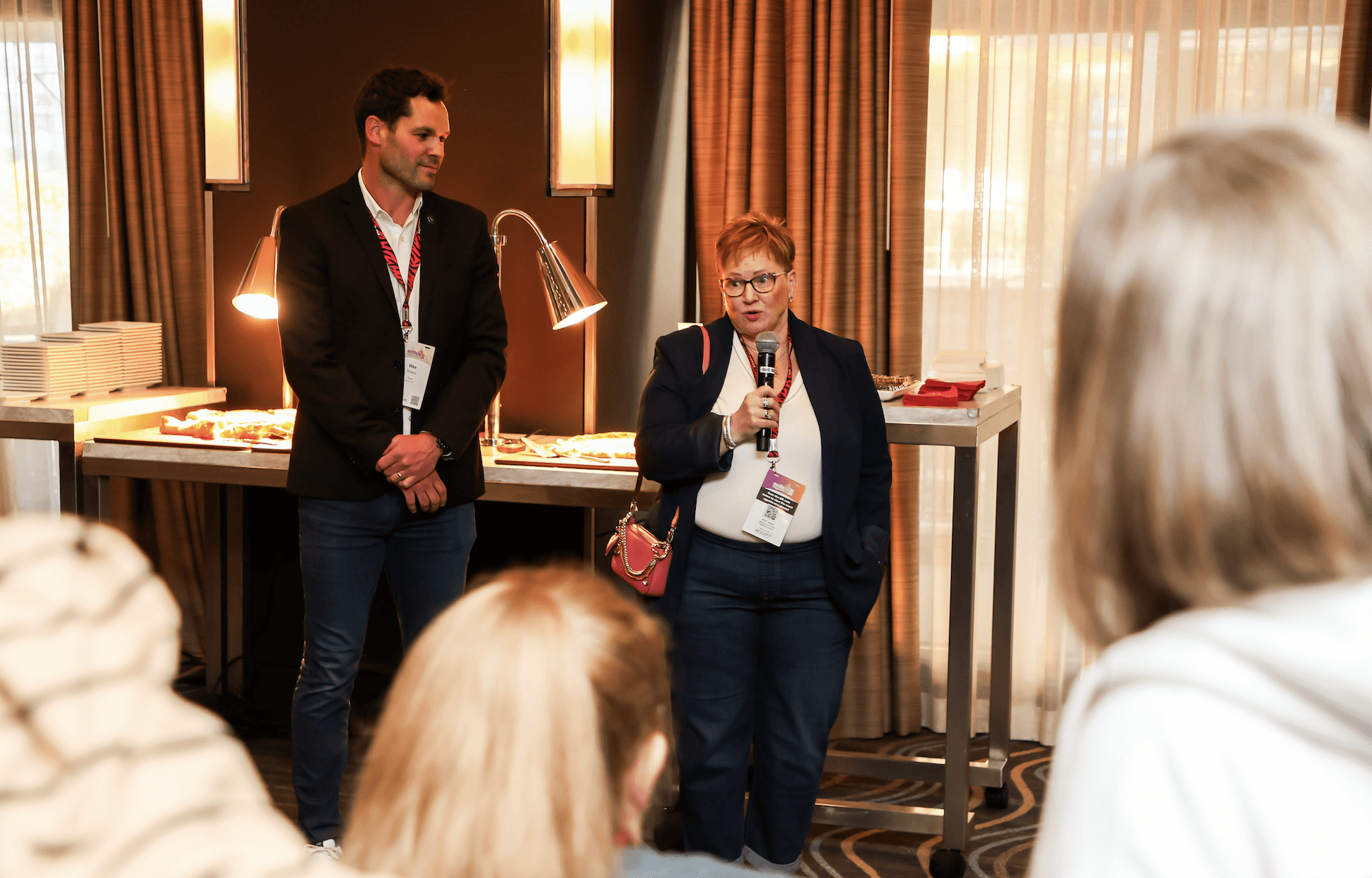
Linda and Jackie Josing, RHIT, CCS, vice president of middle revenue cycle at LCMC Health
That came through loud and clear in my session with Jackie Josing, RHIT, CCS, vice president of middle revenue cycle at LCMC Health, on When AI Reviews Every Chart: What CDI Leaders Need to Know Now.
One of the smartest things she said was simple: you cannot fix coding if the documentation is not there.
And once leaders start seeing 100% of encounters instead of a sample, they start seeing variation they never knew was there — not just between coding and CDI, but within teams. One person catches something. Another misses it. That is not just a people problem. It is a visibility problem.
That is why sampling is no longer enough. Here’s a blog post I wrote about what happens when you review 100% of charts.
The best conversations happened when people got honest
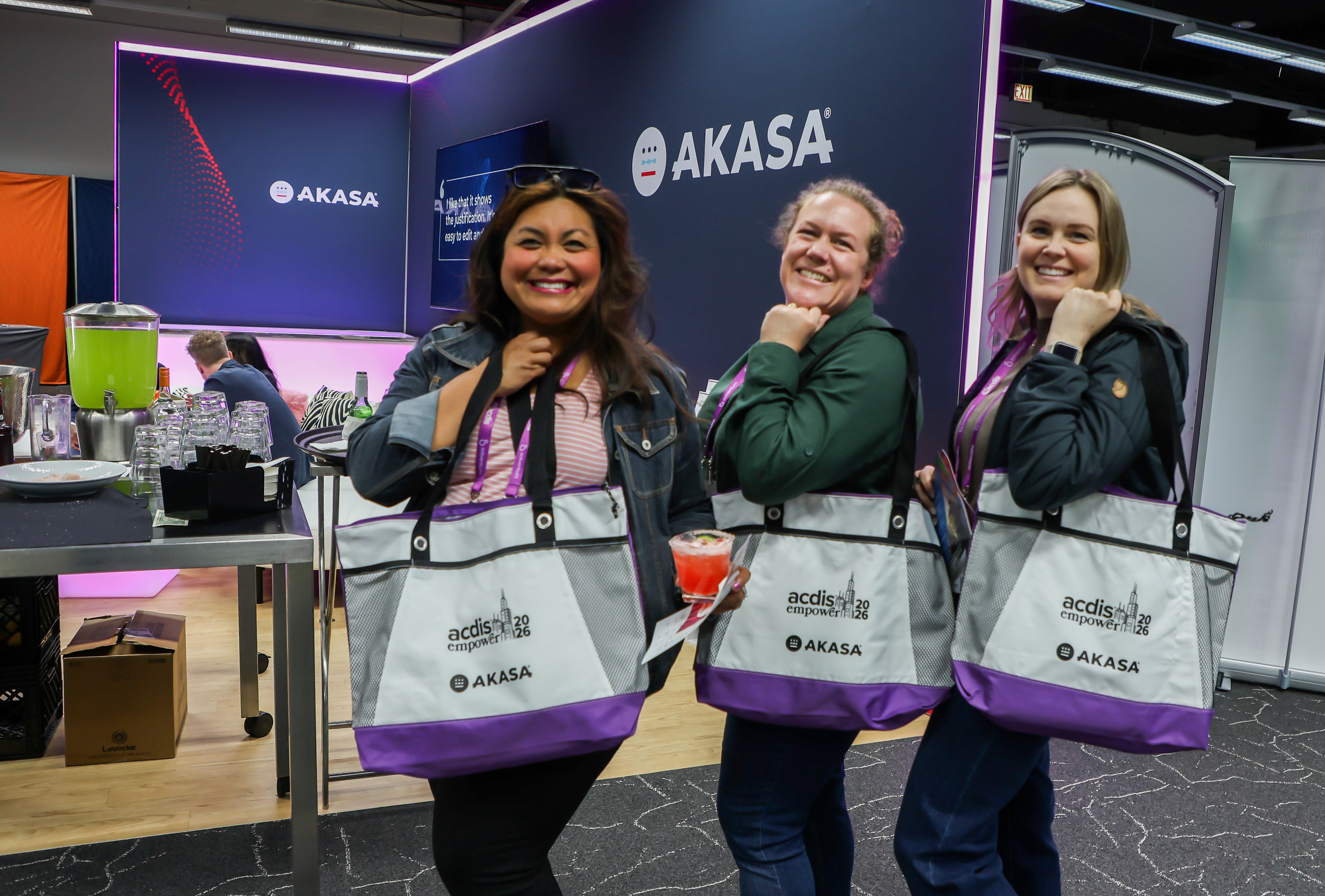
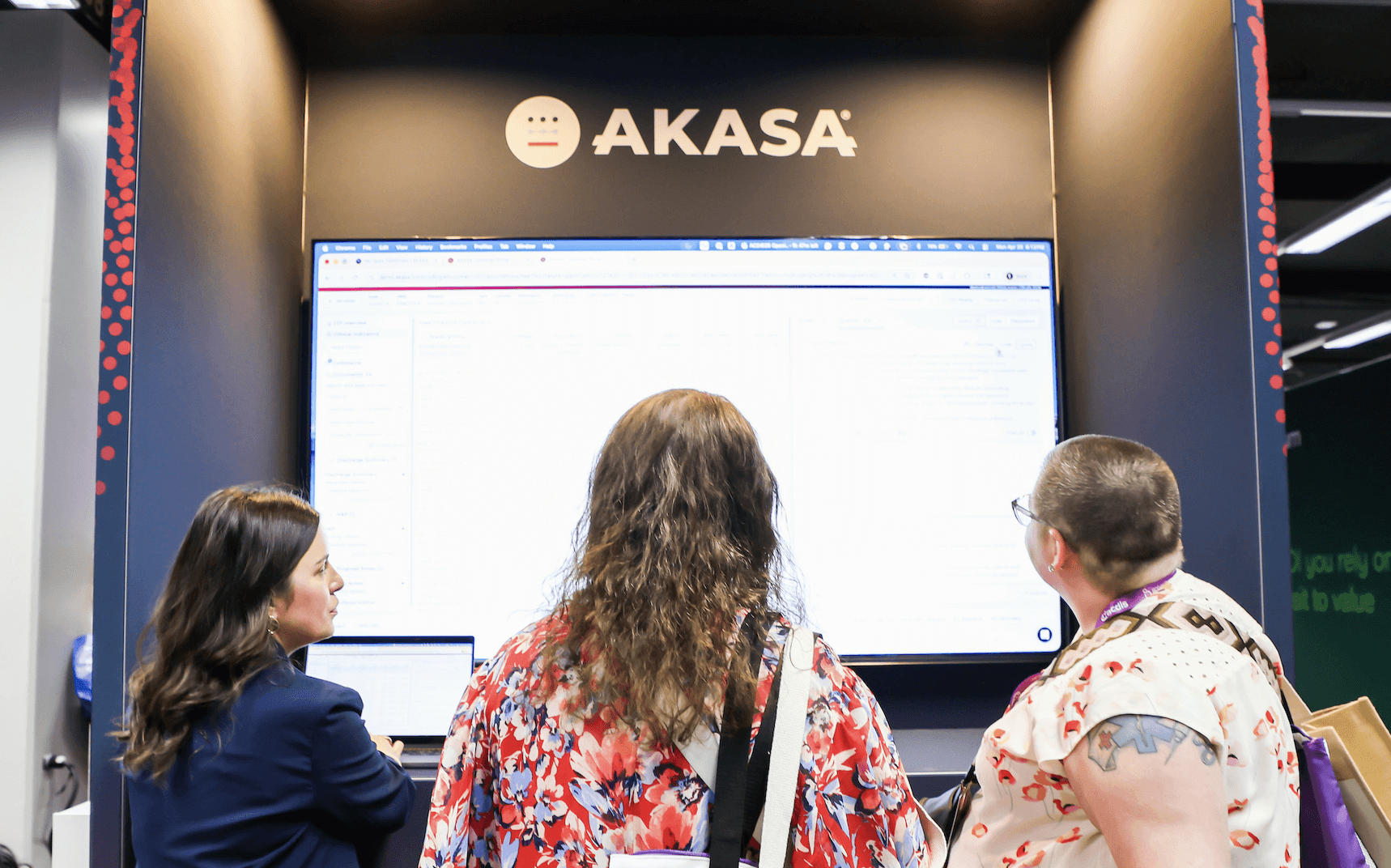
Yes, AKASA had a busy booth at ACDIS. The custom hats went so fast that we ran out. The DIY headshots were packed. Our Pink Zebra Tiki Lounge off-site was fun, relaxed, and full of great conversations. And sponsoring the Leadership Council event at the end gave us another chance to connect with people in a more meaningful way.
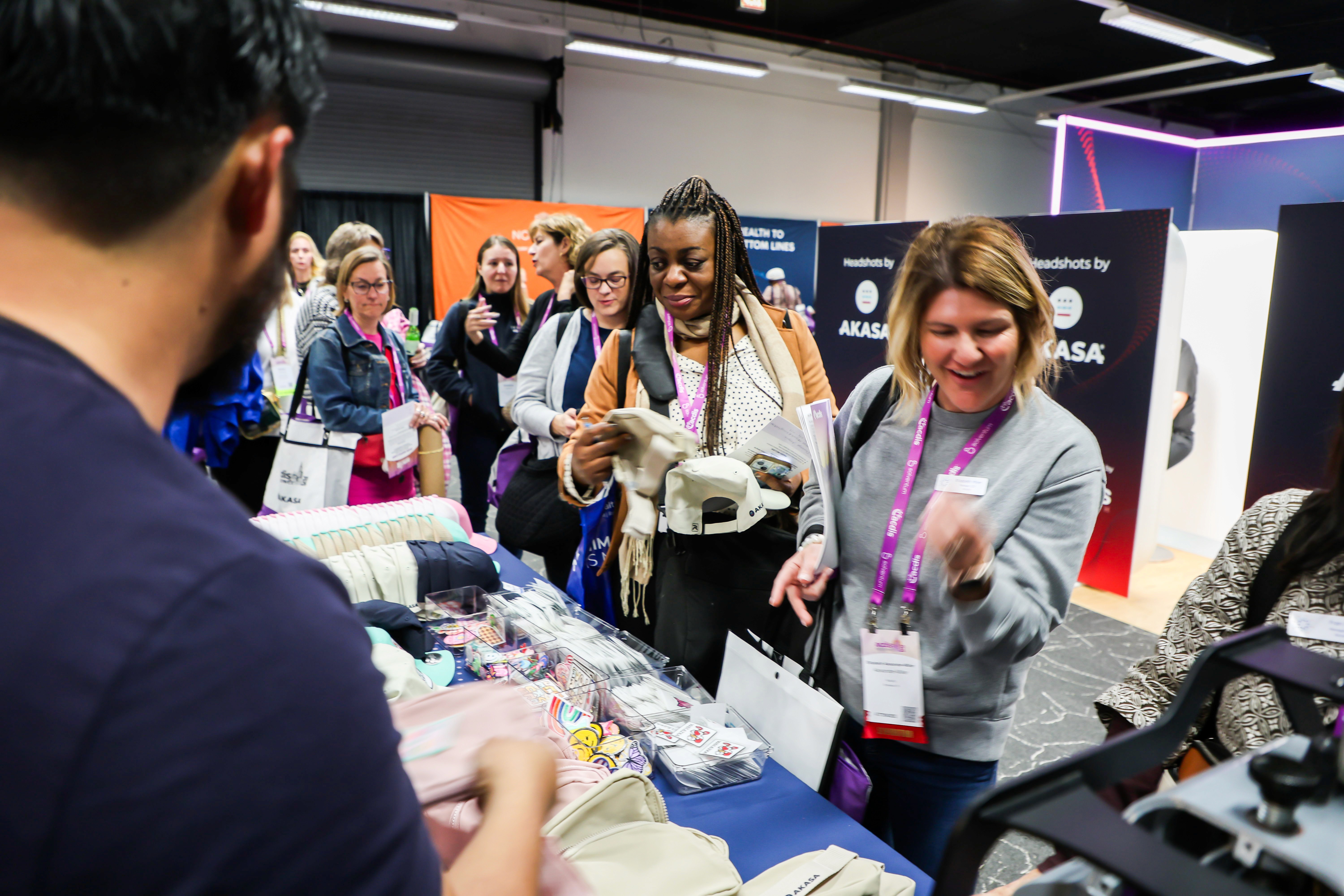
But what stood out to me most wasn't the activity. It was the candor.
When people got honest, the same frustrations came up again and again. Payer-provider friction is getting worse. Quality and denials are colliding with CDI in ways many teams were not built for. People are tired of having three, four, or five layers of workarounds and still not feeling confident they are catching what matters.
And of course, everybody wanted to talk about AI.
That part did not surprise me. But what did stand out was that most people were not asking, “Can AI do this?” They were asking, “Can I trust it? Where does it fit? Is it going to help me, or is it just one more thing?”
Those are exactly the right questions.
Because I have seen enough technology in this space to be skeptical. I am not impressed by buzzwords. I care whether something actually helps the CDI specialist do better work.
People don’t want more prompts. They want better judgment.
This was one of my strongest takeaways from the week.
People are tired of tools that act smart but are really just matching words. In one session, I talked about the kinds of prompts we have all seen — encephalopathy because the chart says “AMS,” NSTEMI because troponins are elevated, without any real clinical context. That’s not thinking. That is pattern matching.
And CDI today is far too complex for that.
That is why the story I shared about missing a diagnosis in a chart resonated with so many people. I missed it because I did what experienced CDI specialists do: I followed my pattern, ran my search, and trusted the usual workflow. The AI found a late addendum in a place I would not have looked. That moment changed my perspective because it proved something important: this technology is not valuable because it replaces us. It is valuable because the chart has outgrown human-scale review.
I wrote more about that here: The Day GenAI Caught What a CDI Expert Missed.
That is the real opportunity here. Not replacing CDI judgment. Strengthening it.
Full visibility changes more than workflow. It changes leadership.
This was another point Josing made that stuck with me.
When you turn on 100% review, the floodgates open. Suddenly, you’re not asking, “Did we find a few opportunities?” You’re asking, “What matters most? What do we prioritize? What do we act on? What do we let go?”
That changes everything.
It changes how leaders think about staffing. About training. About consistency. About physician engagement. And it forces coding, CDI, quality, and physician advisors to stop operating like separate islands.
That is where this is all going. Not more task work. Not more disconnected reviews. Better alignment around the full patient story.
I talked about this topic in a session I did with Cleveland Clinic for the 2026 ACDIS Virtual Summit. Here are the takeaways from that.
Why the Pink Zebra message landed
One of my favorite parts of the conference was how quickly people connected with our Pink Zebra theme.
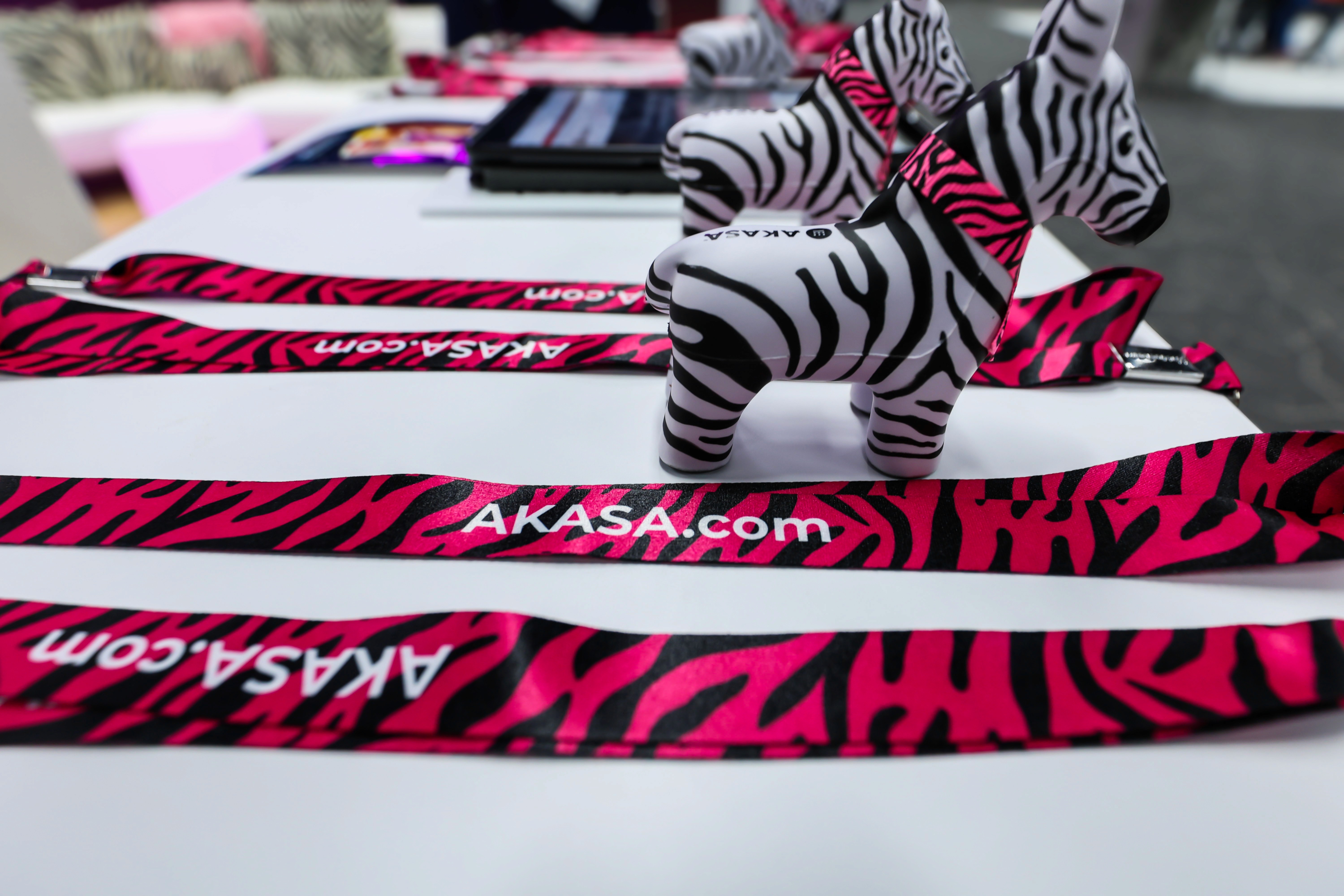
I told people at the booth, at the Tiki Lounge, and at the Leadership Council event that a Pink Zebra is someone who has not only earned their stripes through years of experience, but that experience now crosses into two domains. A Pink Zebra is a clinical revenue cycle leader who does not blend in, but pairs deep clinical and RCM expertise with AI know-how to see what others miss.
The leaders in this field are carrying quality, reimbursement, compliance, physician behavior, denials prevention, and patient outcomes all at once. They don’t need more noise. They need visibility, consistency, and tools that support critical thinking rather than replace it with busywork.
Want to know more about how AI can help with mid-cycle efforts? Here’s a How-To Guide for HIM Leaders.
What I left Chicago believing
Here is what ACDIS 2026 reinforced for me: We can’t keep doing CDI the old way and expect better results.
We can’t solve this by layering on another tool, another review, or another workaround. And we absolutely can’t improve what we cannot see.
You do not know what you do not know until you can see the full story.
That is true for a patient record, but, most importantly, for the patient and their quality of care, especially during transitions from the hospital to the next setting, whether home, home health, SNF, or hospice.
And it is just as true for a CDI program.

Linda Schatz
Linda Schatz, RN, BSN, CCDS, is the director of CDI at AKASA. With more than 40 years of experience in healthcare, and the last 15 focused on documentation and coding, Schatz has built a comprehensive career. She started her CDI career as a Medicare auditor and then dove into the CDI space, moving into consulting roles across multiple firms. Schatz has implemented CDI programs across the country, provided CDI education, and spent a large portion of her consulting career in provider education related to documentation integrity at the Advisory Board Company. She has also been the corporate director at a large health system, moving the organization to a centralized program focused on quality. In her current role at AKASA, Schatz acts as a CDI subject matter expert, working with clients and contributing to the development of generative AI-powered CDI tools. She works closely with machine learning teams to improve coding suggestions, manage and audit CDI staff within AKASA, and ensure quality and productivity standards are met.